
Psychological Triggers
The allure of casino games often lies in their ability to activate specific psychological triggers that keep players engaged. One of the most significant factors is the anticipation of a reward. Games are designed to create a sense of excitement and suspense, especially in moments leading up to a potential win, particularly in scenarios involving uk casino fast withdrawal options that add to the thrill. This dopamine release encourages players to keep spinning the reels or placing bets, hoping that the next round could bring fortune. The thrill of uncertainty fuels a desire to continue playing, as players become increasingly invested in the outcome.
Another critical psychological aspect is the illusion of control. Players often feel they have a say in the game’s outcome, whether through strategies or choices they make during play. This perception can lead to increased participation, as players believe their skills can influence results. Despite the randomness inherent in most casino games, the belief that one can shape their fate keeps them returning for more, seeking to validate this sense of control through ongoing play.
Lastly, the concept of near misses plays a significant role in addiction to casino games. When players almost win, for instance, by landing two out of three matching symbols, it creates a false sense of hope. This phenomenon activates similar brain responses as an actual win would, embedding a deeper psychological connection to the game. The continuous cycle of anticipation and the emotional highs associated with near misses subtly encourage players to keep engaging with the game, often leading to prolonged sessions and repeated visits.
Reward Structures
Casino games are meticulously designed with reward structures that enhance their addictive nature. The use of variable reinforcement schedules—where rewards are given at unpredictable intervals—can be particularly enticing. Unlike fixed schedules that offer rewards at set times, variable schedules keep players guessing and engaged. This unpredictability makes the experience more thrilling and encourages players to engage for longer periods, hoping for that next big payout.
Moreover, frequent small wins can create a compelling reason for players to keep playing. In many casino games, regular payouts, even if small, can create an illusion of success that keeps players motivated. This consistent reinforcement can produce a sense of accomplishment that drives players to continue gambling, even if the overall losses outweigh the wins. The excitement of winning, no matter how minor, creates a feedback loop reinforcing the desire to play more.

Additionally, many casino games incorporate progressive jackpots that grow over time, adding another layer of appeal. The possibility of winning a life-changing amount of money can be a powerful motivator. The idea that a player could hit the jackpot on their next spin can keep them engaged for hours, often leading to extended gaming sessions. Such reward structures are key to understanding why certain games grip players, as the potential for large, unexpected wins creates an irresistible draw.
The Social Aspect
The social dimension of casino games cannot be overlooked when discussing their addictive nature. Many games, particularly table games like poker or blackjack, foster social interaction among players. This creates a community atmosphere where players share experiences, strategies, and camaraderie. The social bonding that occurs can enhance the enjoyment of the game, making it more than just a solitary activity. When players feel connected to others, they are likely to spend more time playing, enjoying the social stakes involved.
Furthermore, casinos often employ features like live dealers in online games, which enhance the interactive experience. Live streaming technology allows players to engage with real dealers and interact with fellow players in real-time. This element of human connection adds a personal touch to the gaming experience, making players feel as if they are part of a larger event rather than isolated individuals. The blend of gaming and social interaction amplifies the thrill and excitement, contributing to prolonged participation.
Additionally, peer pressure can unintentionally encourage addictive behavior. When friends or peers are involved in gaming activities, individuals may feel compelled to join in, even if they initially had no intention of playing. The fear of missing out (FOMO) can lead to longer gaming sessions and more impulsive decisions, as individuals may be swayed by the enthusiasm of those around them. This social influence can reinforce participation, solidifying the game’s attractiveness and increasing its overall addictive potential.
Game Design Features
The design of casino games is another crucial factor in their addictive nature. Developers often rely on visually stimulating graphics and sound effects to capture players’ attention. Bright, vibrant colors and engaging animations create an immersive environment that encourages players to stay involved. The sensory experience is carefully crafted to keep the player’s focus, making it difficult to walk away. These elements contribute to an atmosphere filled with excitement, making the act of gambling feel more exhilarating.
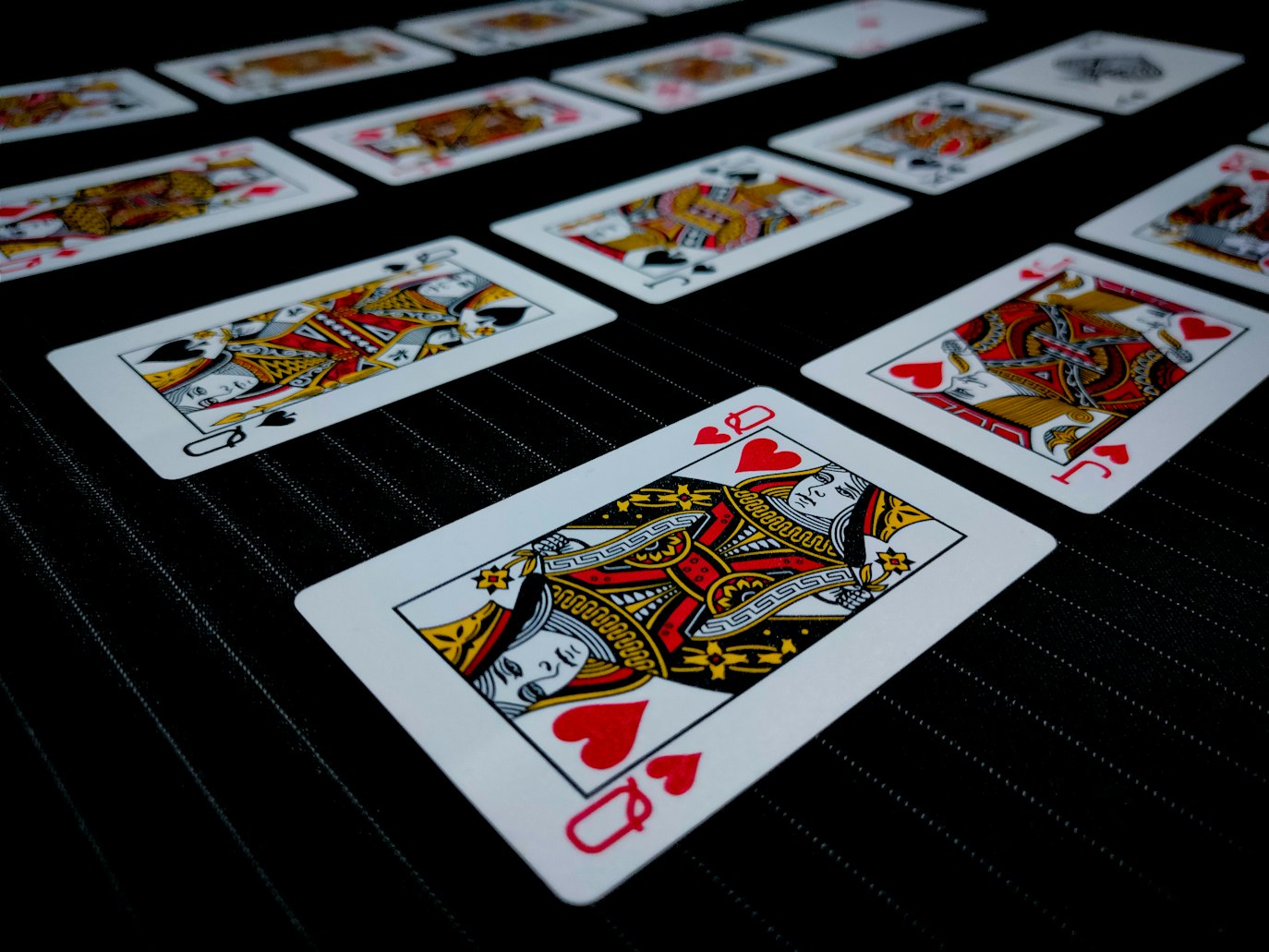
Moreover, the simplicity of many casino games makes them easily accessible. With straightforward rules and mechanics, players can quickly understand how to engage, allowing immediate participation without extensive learning curves. This ease of access is critical for attracting a broad audience, as players are often more inclined to try their luck without feeling overwhelmed. The quicker a player can engage, the more likely they are to stay, enhancing the addictive qualities of the game.
Another design feature that keeps players coming back is the use of levels and achievements. Many modern casino games incorporate gamification elements, encouraging players to unlock levels, earn rewards, or achieve milestones. These features provide a sense of purpose beyond simply winning money, as players feel motivated to progress and complete challenges. The combination of game mechanics and the potential for rewards further entices players to invest their time and resources, fueling addiction to the gaming experience.
Exploring Responsible Gaming on Our Platform
At our platform, we understand the importance of addressing the addictive nature of casino games. While we celebrate the excitement and entertainment they provide, we prioritize responsible gaming practices to ensure a safe environment for players. We offer numerous resources, including tips and strategies to help players make informed decisions about their gambling activities. Education around game mechanics, odds, and bankroll management is crucial in cultivating a healthy gaming experience.
Moreover, we encourage players to set limits on their gameplay, whether it be time, money, or types of games played. Our platform provides tools that allow users to track their gaming habits and implement self-exclusion measures when necessary. By fostering a culture of awareness and responsibility, we aim to promote sustainable gaming practices that focus on enjoyment rather than compulsion. The overall goal is to create an enjoyable environment devoid of harmful addictive behaviors.
Ultimately, our mission revolves around creating a responsible gaming community where players can enjoy their favorite casino games without risking their well-being. We aspire to facilitate a balance between entertainment and responsibility, emphasizing the importance of proactive measures to combat potential addiction. By utilizing our resources and community support, players can confidently explore the thrilling world of casino games while keeping their gaming habits in check.